fuzzwah@projects:~$ whoami
Fuzzwah — tinkerer in Hobart, Australia. On GitHub since 2011; 102 public repos and counting, most of them experiments that got out of hand.
fuzzwah@projects:~$ cat PROJECTS.txt
FUZZWAH'S PROJECTS
Welcome to my tiny corner of the internet. This is where I share the things I've spent my spare time building. It is 2026 — this page last caught up with reality in 2016, so consider this one long-overdue git pull.
I do not claim to be some kind of geek genius; most of my projects are neither original nor unique. I like to believe I have the spirit of a bricoleur — I make things from whatever materials and information are at hand, which usually means standing on the shoulders of code, tools and hardware built by other people.
Right now that means agentic-AI tooling, terminal UIs, Dungeon Crawl Stone Soup career stats, sim-racing dashboards and dinner. Previously it meant XBMC plugins, IRC bots, RFID music boxes and online-poker tools. Basically: if I'm interested in something, I end up building something to enjoy it more.

gid=staff(20) groups=makers
(this terminal is decorative — the links work, the rest is vibes)
# ~/simracing — the iRacing lab (2018 – present)
I got hooked on the iRacing simulator, and of course that meant obsessively collecting data and building tools around it.
-
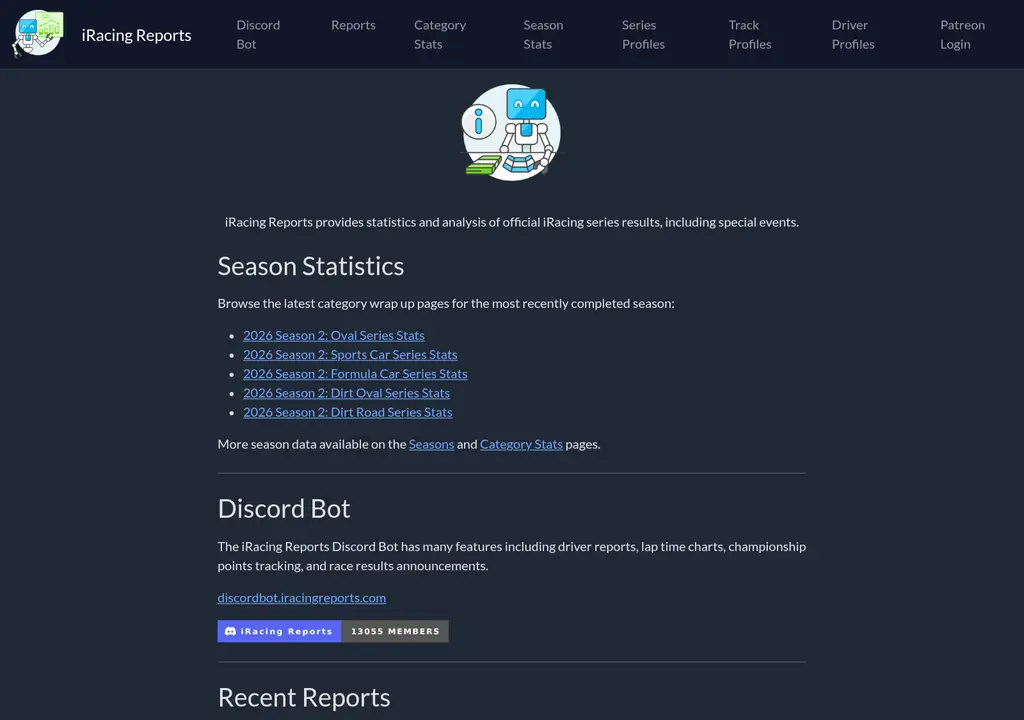
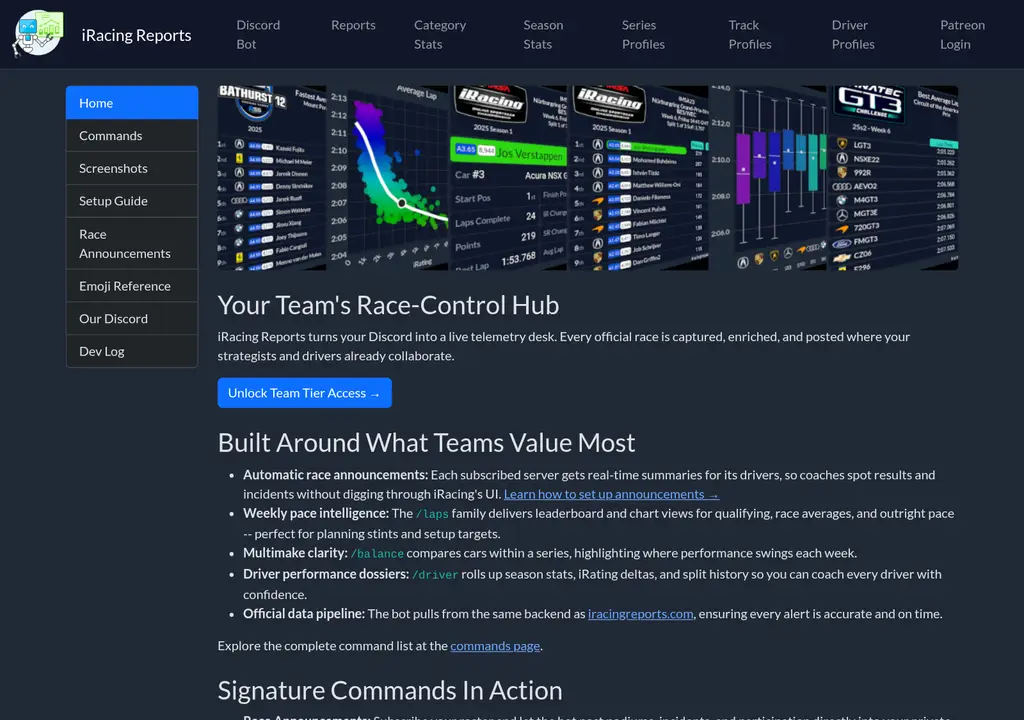
web app + Discord bot Statistics and analysis of iRacing drivers and official series results, live at iracingreports.com. A Python + RabbitMQ collector ingests iRacing service info and race results into PostgreSQL; the Django 4.2 app behind the site serves it up. The companion Discord bot brings those reports into Discord too. This is the grown-up, deployed end of the stats project family that starts in the museum below.
[web app][Discord bot][code: private]
-
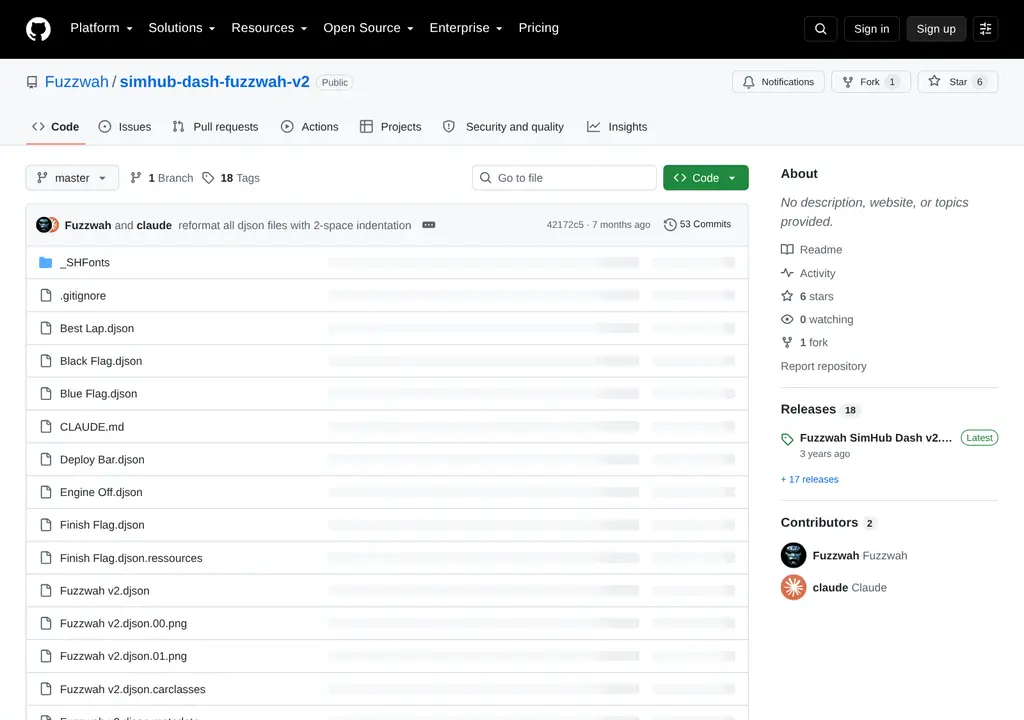
project page My custom SimHub dashboards, tuned for the cars I race. The left panel changes per car — adjustable ABS, TC and ARB on track where available — covering GT3s, GTEs, the Ford GT and V8 Supercars.
-
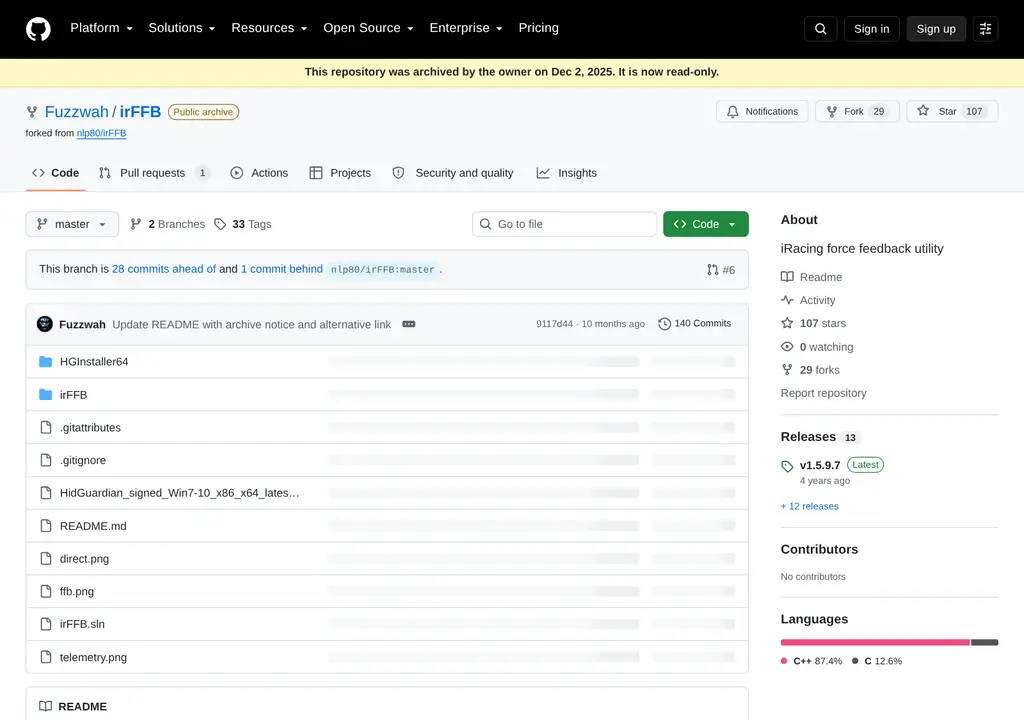
archived repo page The single most-starred thing on my profile: a fork of the classic iRacing force-feedback utility, kept alive with fixes and releases. Archived once I was sure I wouldn't touch it again — but it remains the reference FFB tool on the service.
-
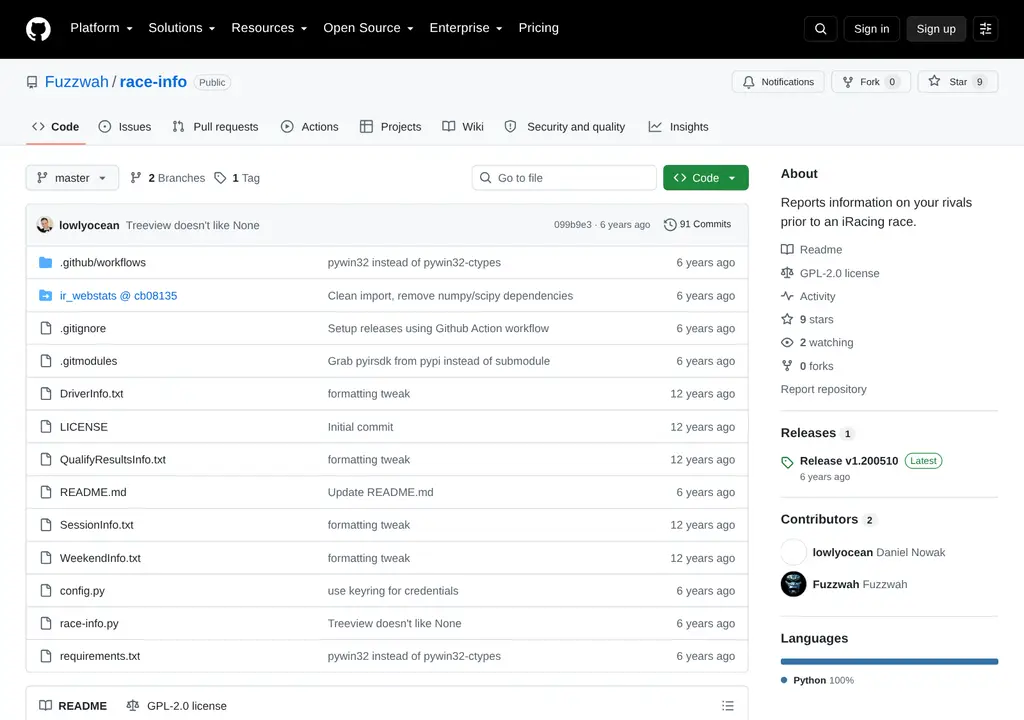
project page A pre-race briefing on your rivals: pulls each driver's licence and iRating from the Session Info API, estimates strength of field and championship points down to 5th, then digs through each driver's series history — races run, standing, average finish, average incidents.
-
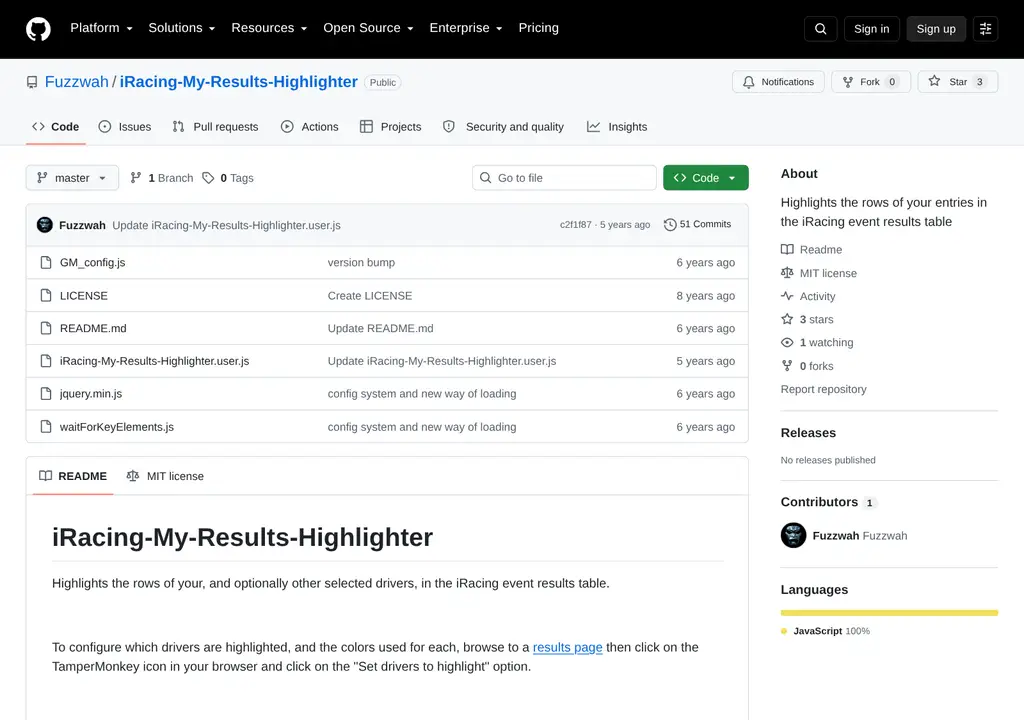
project page + README Highlights the rows that are yours in iRacing's event results tables, so you can find yourself in a 40-car field at a glance.
-
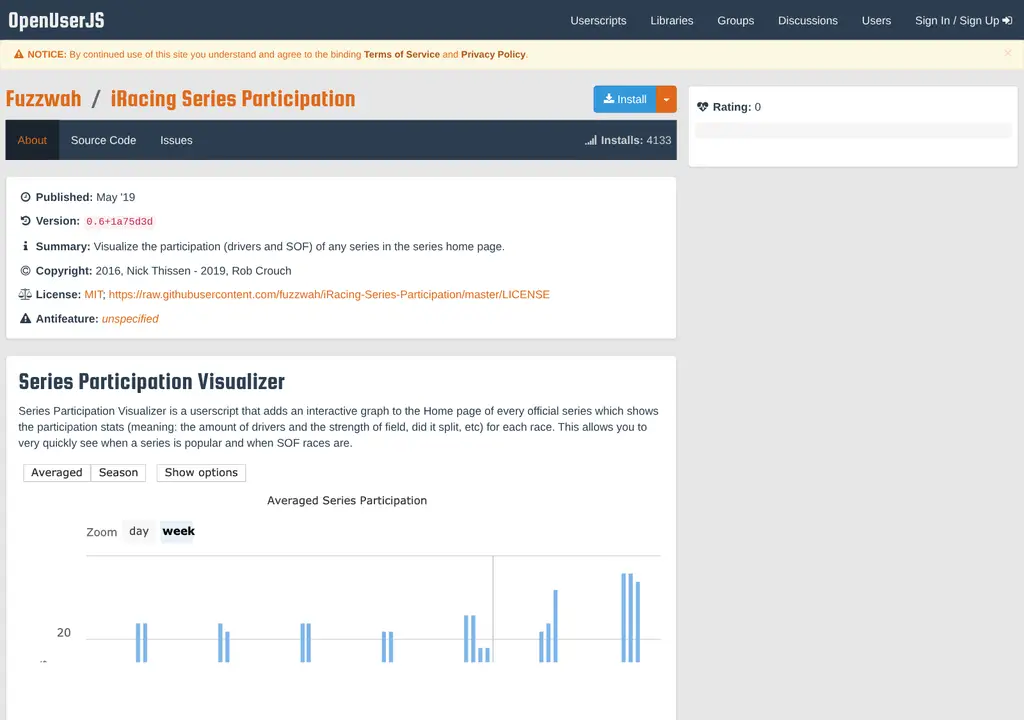
OpenUserJS page Puts a barchart on each iRacing series page showing driver participation and strength of field, so you know whether a series is worth entering that week.
# ~/lab — current obsessions (2025 – present)
-
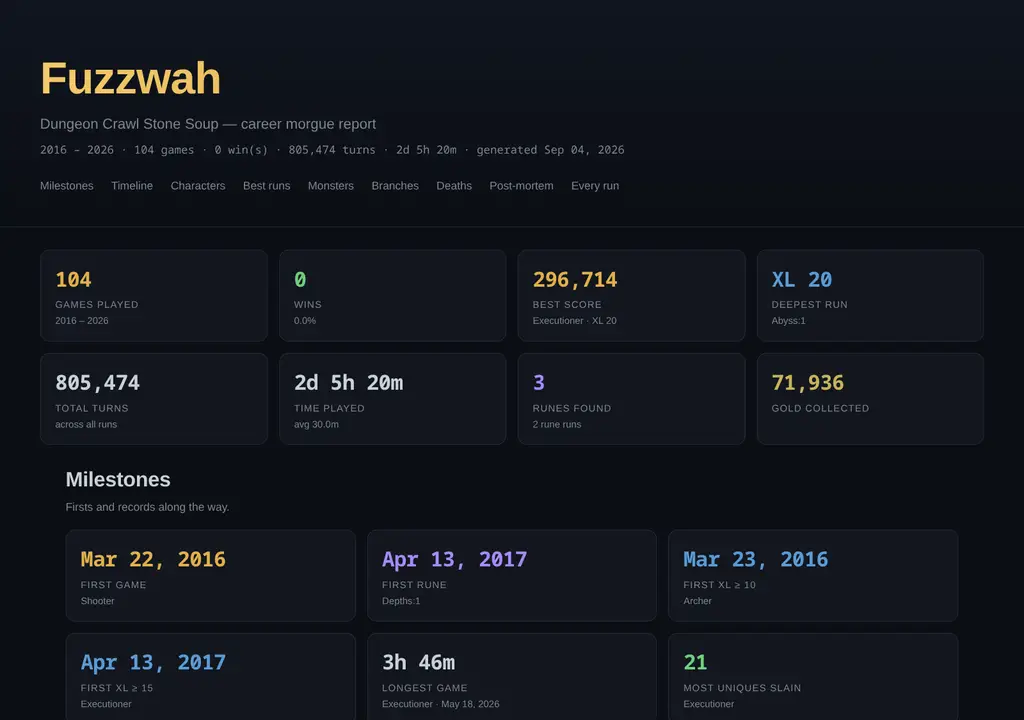
live example report Dungeon Crawl Stone Soup is a roguelike that writes a "morgue" file for every run. This turns a whole career of morgues into one self-contained, stats-heavy HTML report — charts, milestone records, per-monster and per-branch breakdowns, layered character portraits wearing the gear they died in, and a sortable table of every game. Standard library only: no deps, no build step, no internet needed to view it.
-
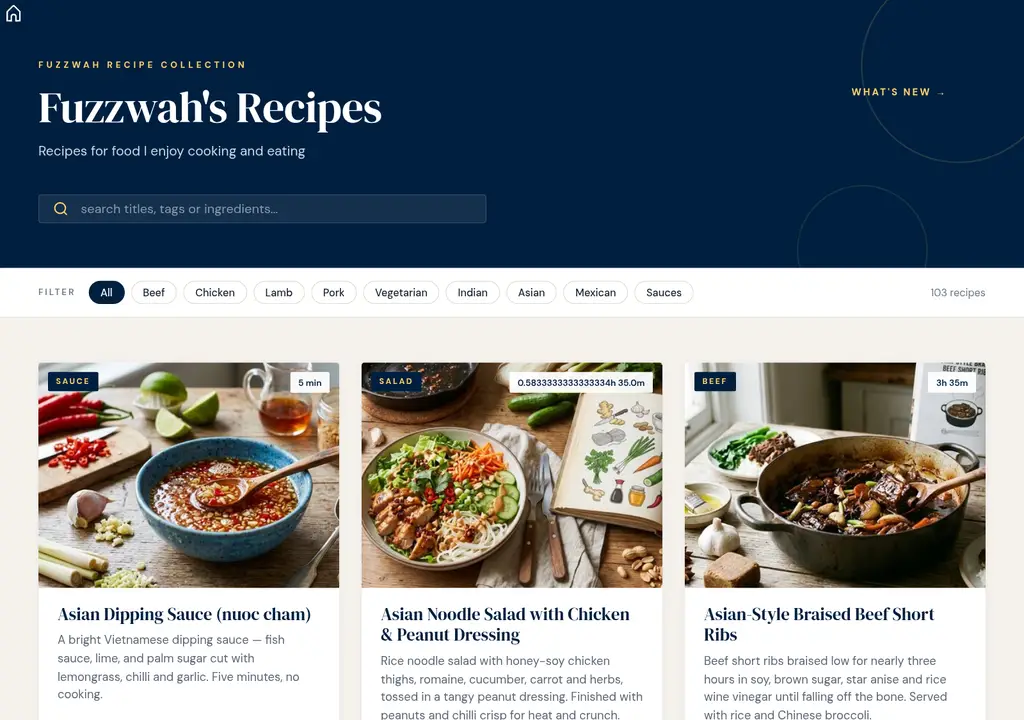
recipes.fuzzwah.com The recipes I actually cook and eat, each in a handy markdown file with a photo of the result. 99 recipes at last count, and growing. A Jekyll companion site — evolved from the old Chowdown template — serves them up with a photo pipeline, search and a changelog. My most-starred original project, which says something about the internet.
-
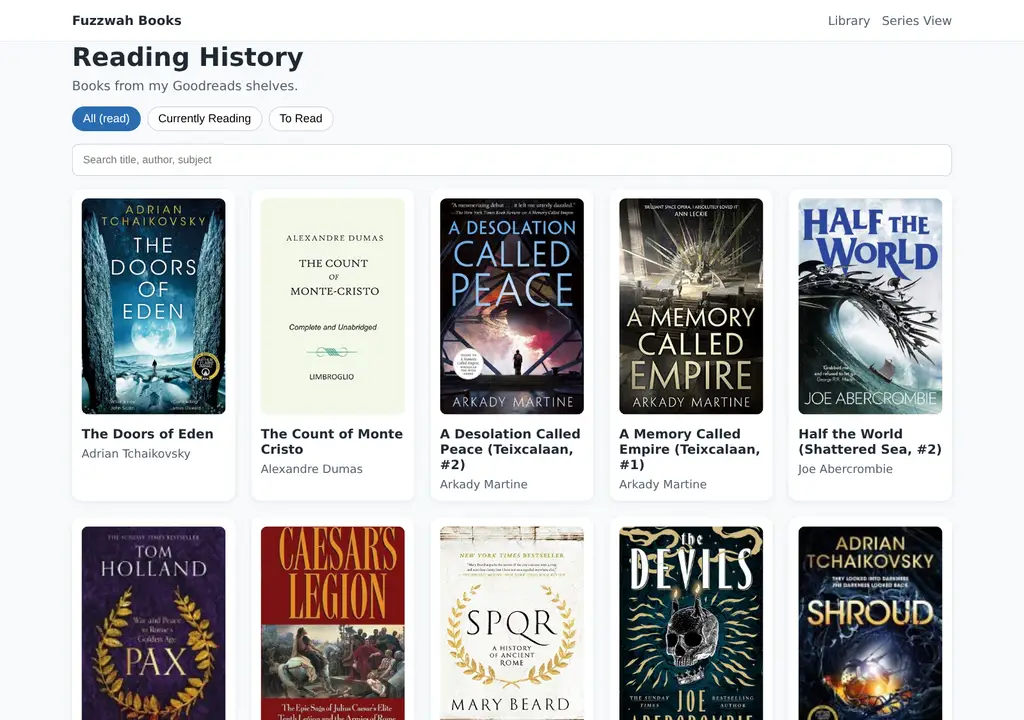
books.fuzzwah.com My reading history, escaped from Goodreads. A Jekyll site generated from a library export — books, reviews and recommendations, with OpenLibrary covers.
-
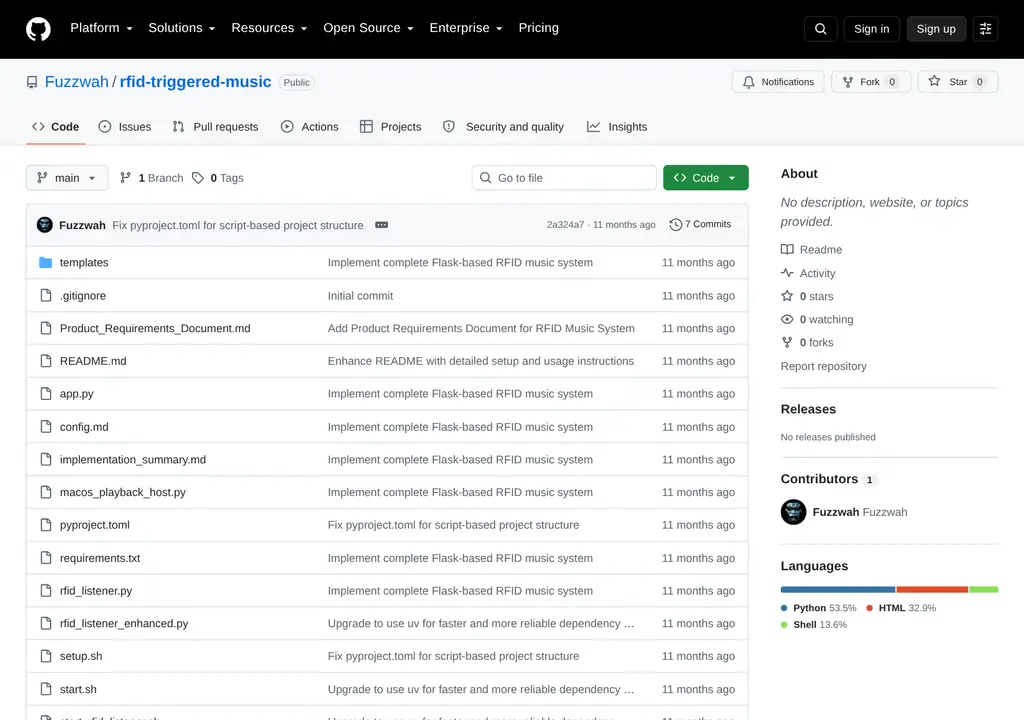
project page Scan an RFID card, hear an album. Two machines: a Linux box handles the card reader and a Flask web interface for card-to-album assignments, and tells a macOS playback host to run mpv. The 2025 reboot of a project family that started in 2014 — see the museum below.
# ~/agents — agentic AI coding (2025 – present)
-
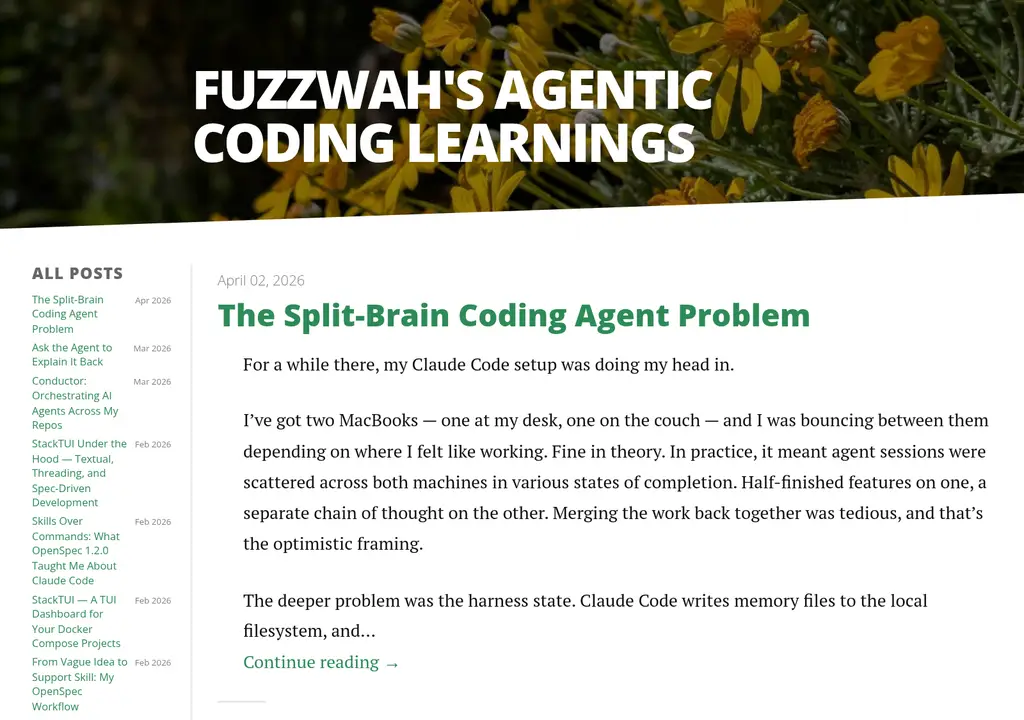
blog.fuzzwah.com My AI-learning write-ups: agentic coding workflows, spec-driven development with OpenSpec, orchestrating agents across repos, what the split-brain coding agent problem is and why you should ask the agent to explain it back.
-
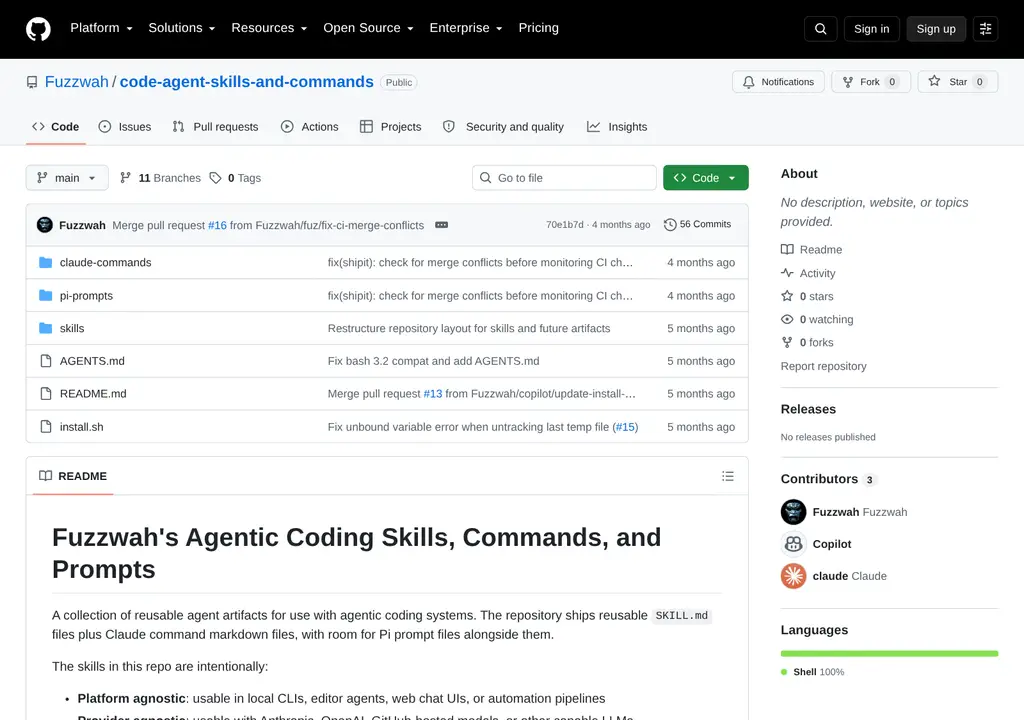
project page Reusable SKILL.md files, Claude command files and prompts for agentic coding systems. Deliberately platform-, provider- and model-agnostic, so they work in local CLIs, editor agents, web chat UIs or automation pipelines.
-
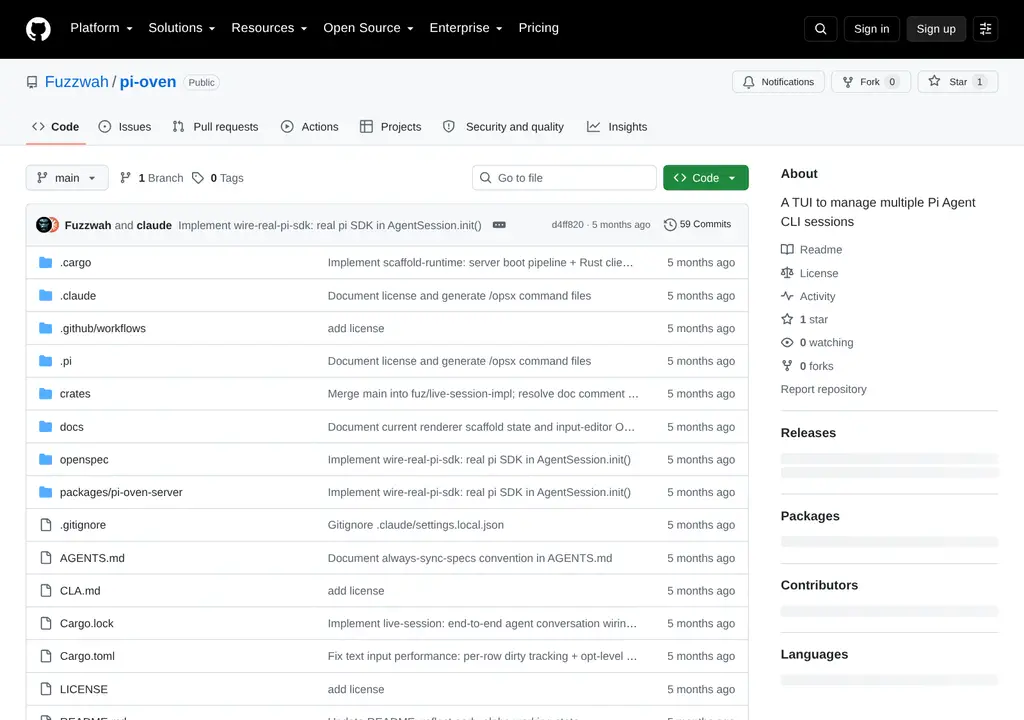
project page A client/server harness for running multiple pi coding-agent sessions in parallel across git worktrees, with a native TUI client. Built because running agents over SSH on a Mac is a hotkey-theft nightmare. Early alpha; the core loop works end to end.
-
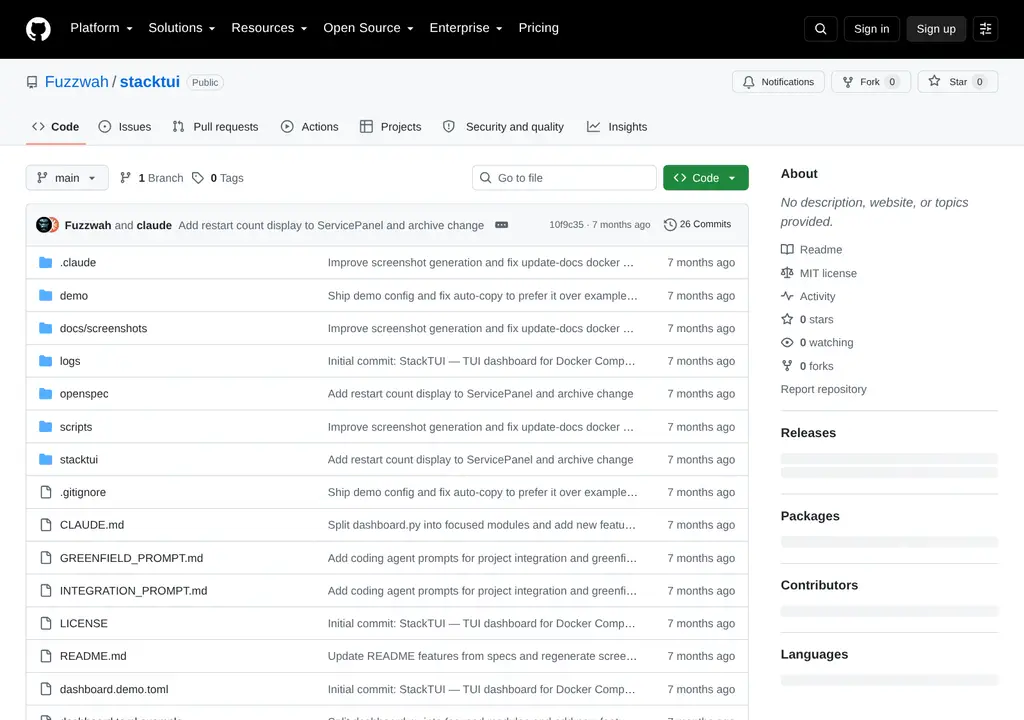
project page A TUI dashboard for Docker Compose projects: live service health, log tailing, deployments and stack control from one terminal. 12 colour themes, because a terminal tool without a gruvbox theme isn't finished.
-
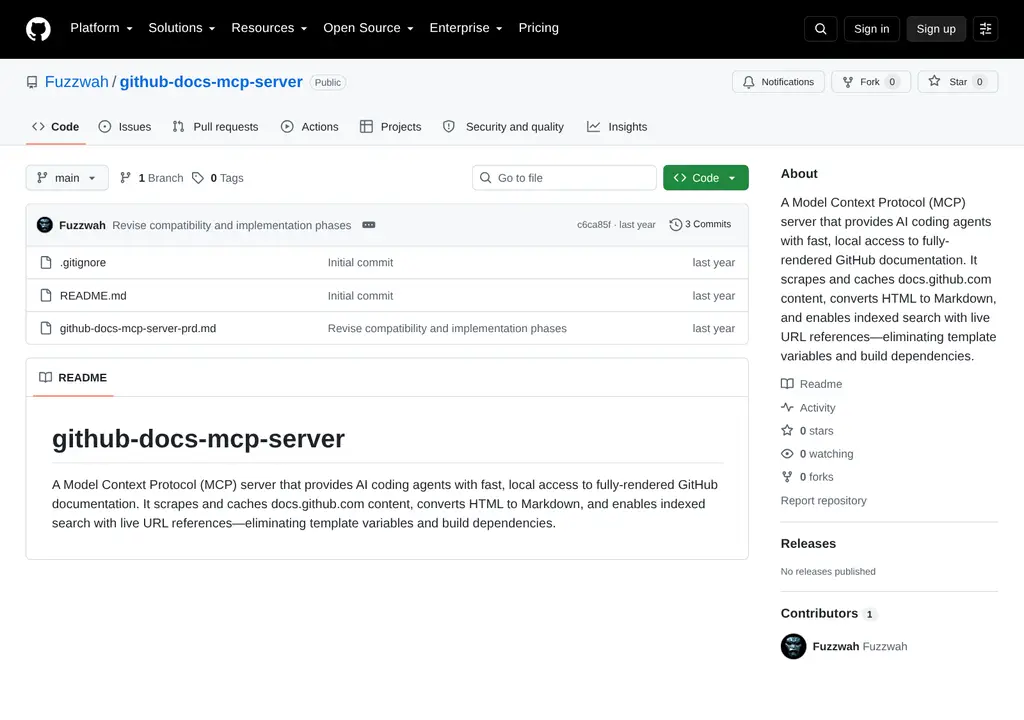
project page A Model Context Protocol server giving coding agents fast local access to fully-rendered GitHub documentation. Scrapes and caches docs.github.com, converts HTML to Markdown, and indexes it for search with live URL references — no template variables, no build deps.
-
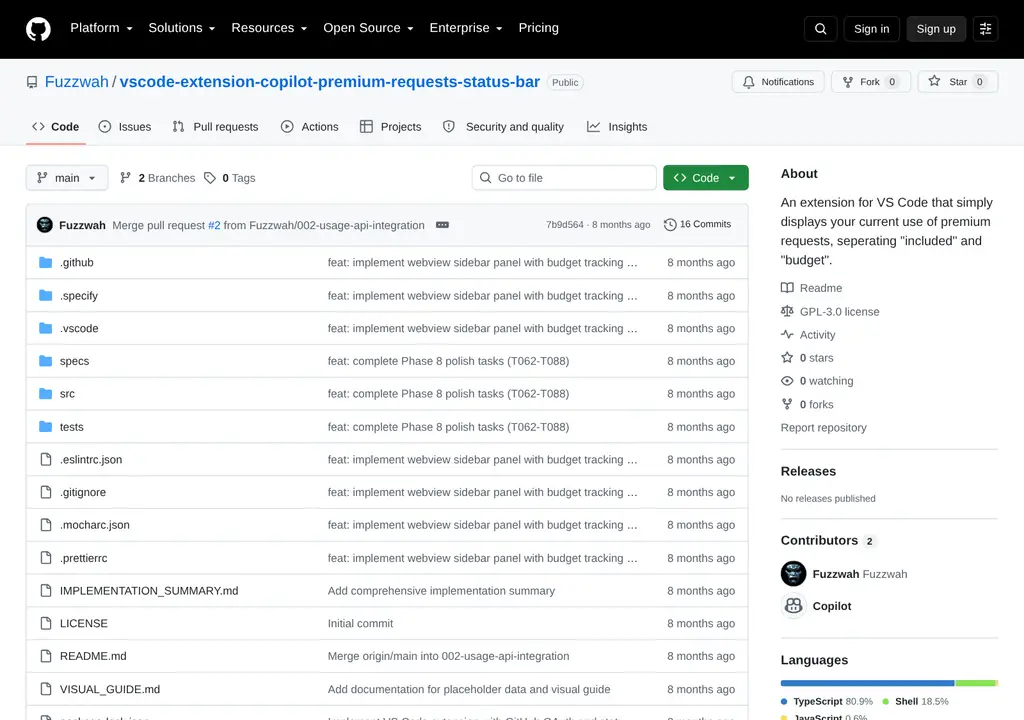
project page A VS Code extension that shows your current premium-request usage in the status bar, separating "included" from "budget". Built because I kept guessing how close I was to the ceiling.
-
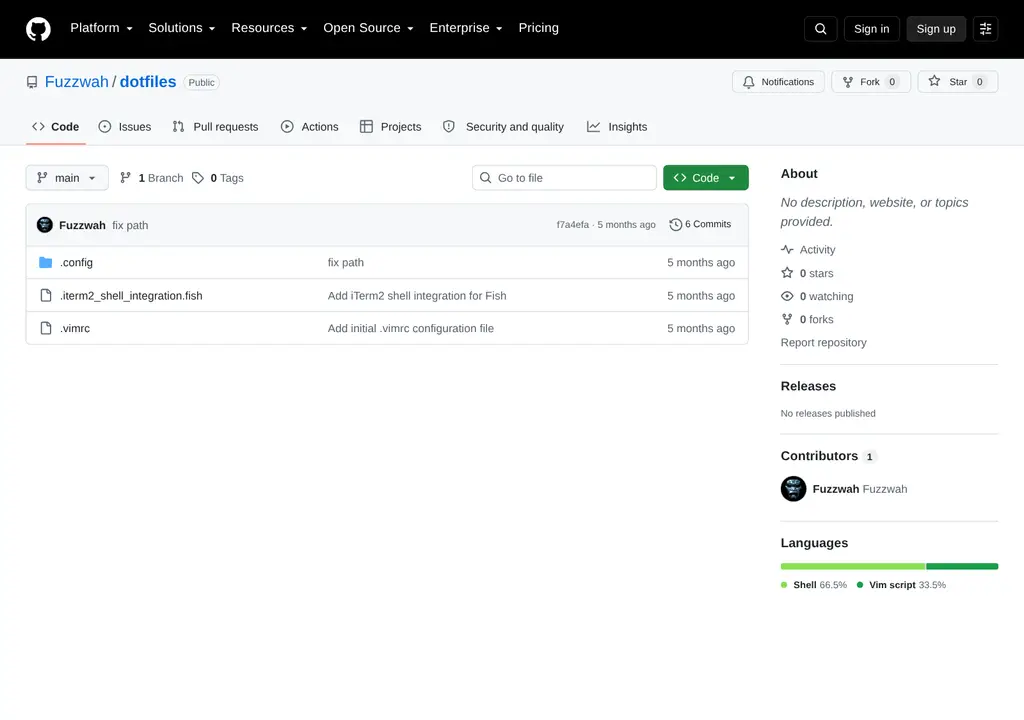
project page My shell setup and dotfiles. Slowly colonising every machine I touch.
# ~/sites — live on the web, code under lock (some code is private — the sites aren't)
-
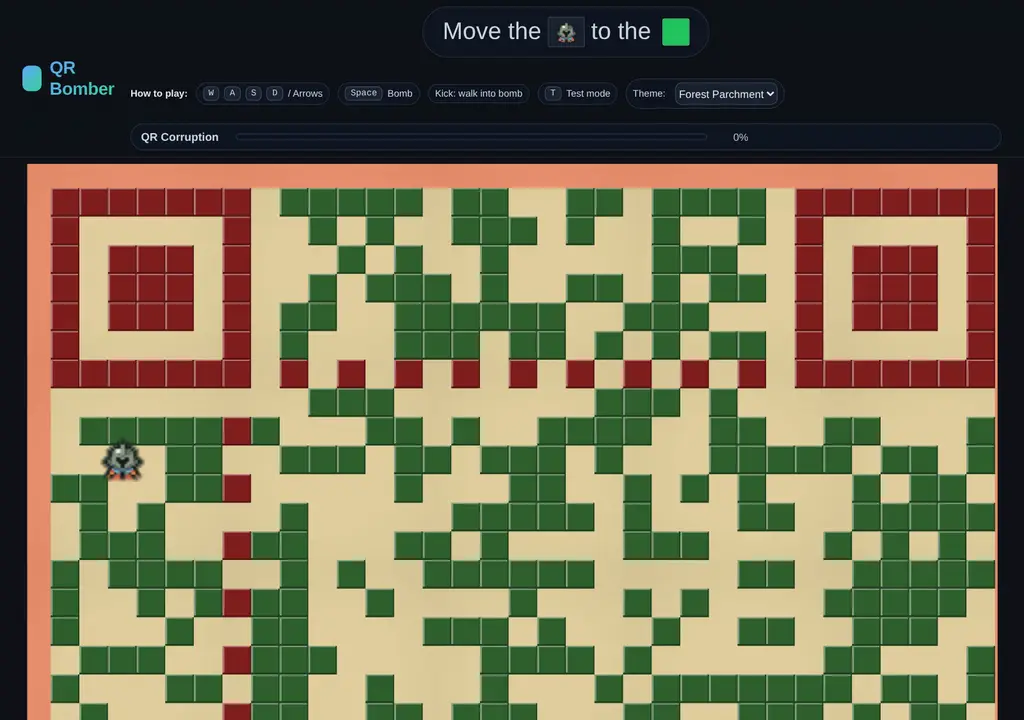
last playable build — site now offline A Bomberman-inspired puzzle game where explosions carve a path through a maze derived from QR-code patterns — place bombs, collect powerups, kick bombs, and reach the exit before the shrinking safe zone forces you on. Every level's URL generates a unique maze. The public site is currently offline; the screenshot shows the last playable build.
[site: currently offline][code: private]
-
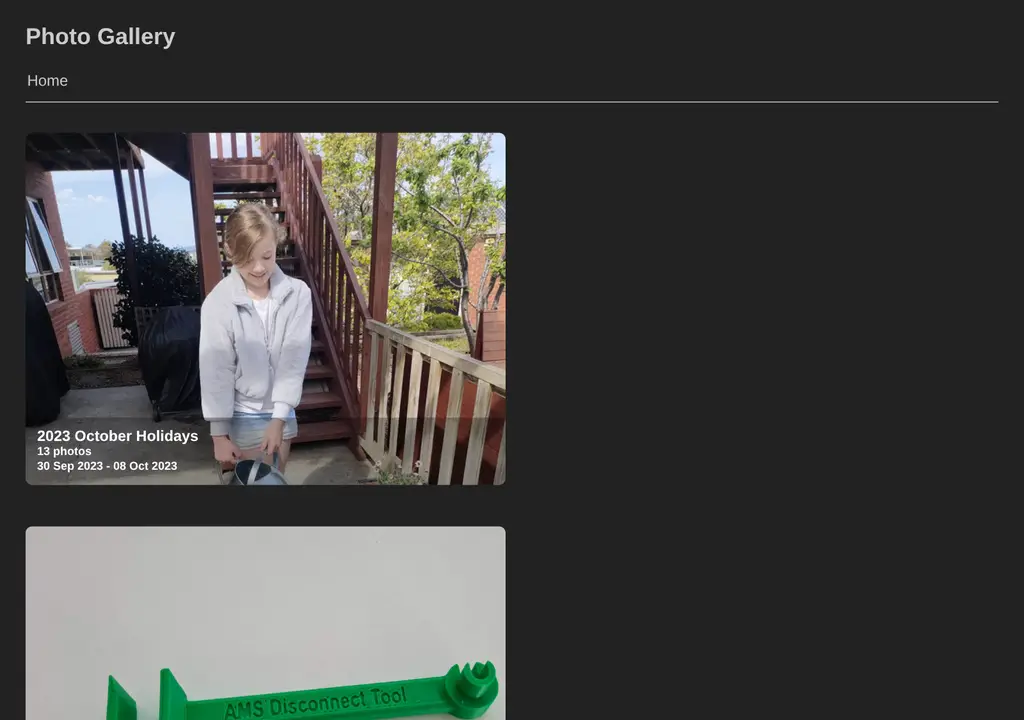
photos.fuzzwah.com My photo gallery — albums of holidays, prints and favourites going back to 2010. Built on the zero-coding Thumbsup + GitHub Pages template with GitHub Actions as the free CI/CD, so adding an album is a commit away.
[gallery][code: private]
# ~/vintage — museum wing (this page's previous occupants, 2011 – 2016)
This is what the site was showing the last time it was updated. Links that still work are kept; the dead are buried with honours. Screenshots as they appeared circa 2016.
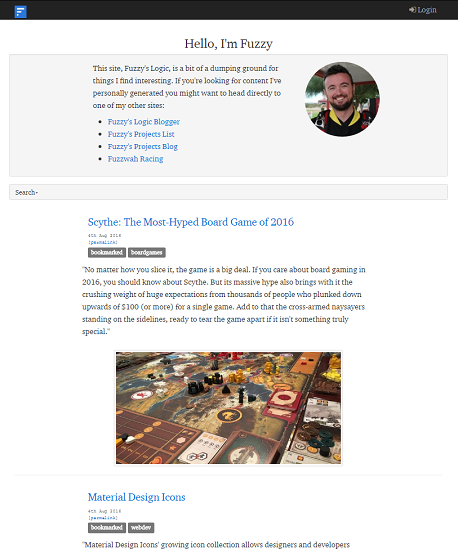
Fuzzy's Logic
STATUS: STILL LIVE · fuzzyslogic.com
A central collection point for everything I posted around the internet — long-form rambles, short updates, photos for friends and family, and links I stumbled on. Pulled feeds from whatever service was the flavour of the month so the site would survive the next exodus. A lesson in future-proofing that mostly worked.
iRacing Stats
STATUS: DEAD LINK · fuzzwahracing.com
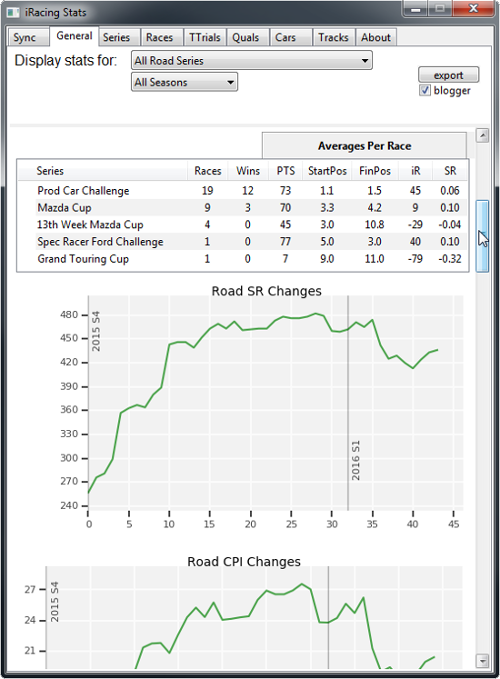
The ancestor of the whole sim-racing lab above. Pulled event results from iRacing into a local database, then rendered overviews and graphs of my progression as a driver. The current dashboards and race-info tools are its grandchildren.
[site: down][rest of the lineage in repo archive]
HearthTrack.me
STATUS: DEAD · hearthtrack.me
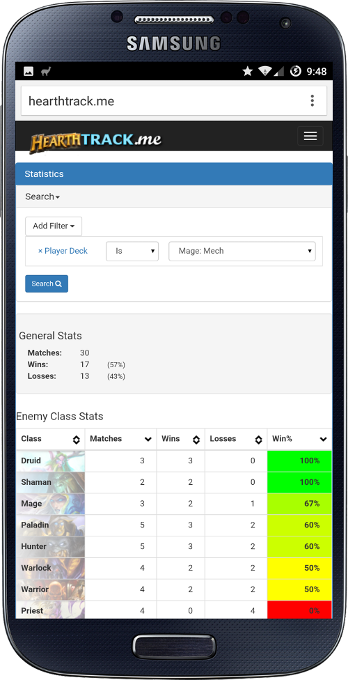
Simple manual results tracking for Hearthstone. Built for players on devices that couldn't run automatic trackers — or people who played across several devices and wanted one place for their stats. Hearthstone's popularity has since done the same thing this site did, but for real.
[site: down]
mplayer web & mouse control
STATUS: EVOLVED → rfid-triggered-music
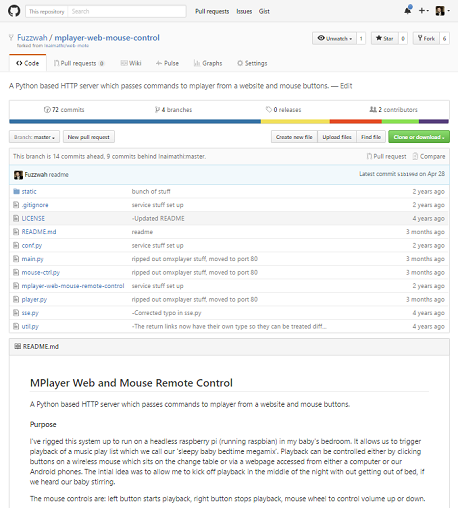
A headless Raspberry Pi in the nursery triggered the "sleepy baby bedtime megamix" via a wireless mouse on the change table — left button to play, right to stop, scroll wheel for volume — or from any phone or laptop on the wifi. The 2025 RFID music system above is this idea, grown up.
deeper cuts from the archive
- 2011Send-to-Eggdropchrome extension to fling URLs at my IRC eggdrop · my first original repo
- 2014xbmc-rfid-musicthe original RFID swipe-to-play · ★5
- 2015mplayer-web-rfid-controlhttp + rfid control for mplayer — middle child of the music family
- 2016iracing-stats-3python rewrite of the original stats parser
- 2021irstatsbot.fuzzwah.comthe last gasp of the iRacing stats era, as a web app
- 2022godot-bombermanlearning Godot by porting the multiplayer Bomberman demo · ★2
- 2023Haboixthe Habit Box — physical switches, dials and flashing lights to build habits
- 2024crazy88_quotesdjango site storing the stupid things we say
- 2024photo-info-footerstamps date & location from EXIF onto photo copies
··· ··· ···
…and the rest of it. 102 public repos, 48 original projects, most of them abandoned experiments: browse the full archive on GitHub. My profile README says it best — fork freely, don't wait on me.